





One of the most common questions that arises just before submitting a file to print is precisely this: how many copies to order initially. Self-publishing authors, in-house publishing houses, and first-time publishers often vacillate between a very small print run and a more secure, larger run. The decision seems simple, but in practice, it impacts costs, storage risks, and the flexibility of the entire project.
There's no one-size-fits-all answer. The situation is different when you're printing a novel and want to gauge reader interest first, different when you're preparing training material for a specific event, and yet different when you plan to sell regularly. Therefore, it's worth considering this choice calmly and through the lens of real needs, not general recommendations.
Below you will find practical tips to help you determine a reasonable start-up outlay – taking into account different types of publications and the stage at which the project is currently.
Why the start-up cost is so important
Choosing the number of copies isn't just a matter of unit price. With a small print run, you pay more per copy, but you tie up less money and avoid the hassle of unsold books. With a larger print run, the price per copy drops, but the risks associated with warehousing and the need to quickly distribute the publication increase.
This difference is especially noticeable in self-publishing. Many authors are just learning how to market their book, build reach, and gather feedback. A too large initial print run can then become a burden rather than a support. On the other hand, too few copies can limit promotional opportunities – it becomes more difficult to send books to reviewers, partners, or early readers.
A well-chosen start-up circulation allows for maintaining liquidity and at the same time giving the publication a chance to really become known.
When does a very small print run make sense?
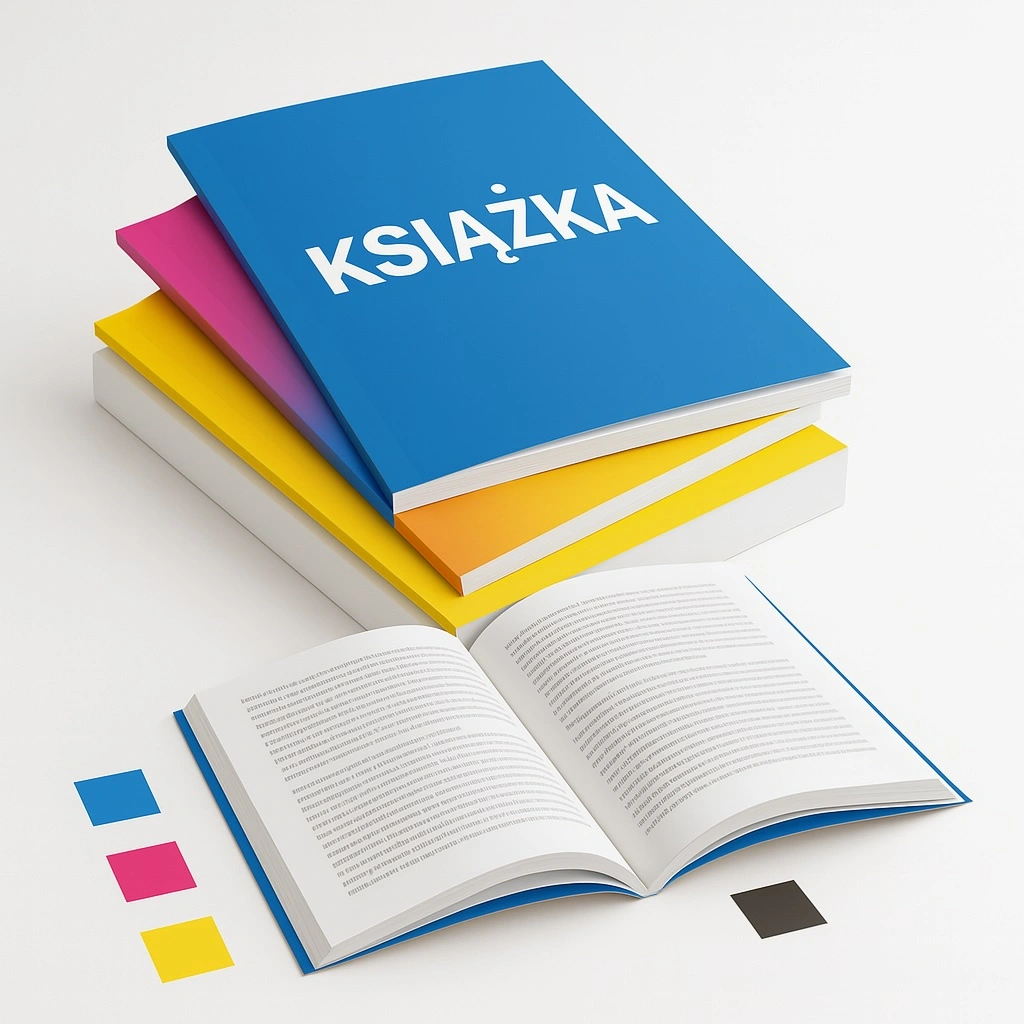
Book printing starting at 1 copy A small print run, or a few or a dozen copies, works well in specific situations. This is a good solution when you want to see the physical effect before a larger production run, prepare an author's copy, check the quality of the paper and binding, or take product photos for online sale. This quantity is also sufficient for personal publications, family or souvenirs, or for corporate materials prepared for a small audience. In these cases, there's no need to order hundreds of copies "just in case." However, it's worth remembering that with very small quantities, the unit price is the highest. If you plan to sell, even a limited number, it's usually more cost-effective to move straight to a slightly larger series.
A circulation of 30-100 copies is most often chosen at the beginning
In practice, many self-publishing authors and companies start with this range. Fifty or 100 copies allow for a realistic market test: sending books to reviewers, selling the first copies, and seeing how the publication is received, all while minimizing the risk of inventory.
For novels, guides, and niche publications, this amount often proves sufficient for the first few months. It also allows for quick reprints if demand proves greater than expected. With digital printing, a subsequent batch can be produced relatively quickly, without having to restart the entire process from scratch.
For training materials, company reports or publications for a specific event, a print run of 50–100 copies is also optimal – it covers current needs and leaves no excess.
When to consider 200-500 copies
A larger initial print run makes sense when you already have a specific distribution or sales plan. If the book is intended for bookstores, an industry event, a company's regular customers, or is part of a broader campaign, 200-300 copies offers greater convenience. At this scale, the unit price becomes significantly more favorable than with very small runs. At the same time, this is still not a level that would require extensive warehousing. Many authors only decide on such a large print run for the second or third edition, once they know how the book sells.
In the case of albums, premium publications or representative corporate books, a larger series can also be justified from an image perspective – it allows for consistency and avoids a situation where stocks run out quickly.
What influences the decision on the number of copies?
When determining the print run, it's worth considering several practical factors. First, the realistic prospects for sales or distribution. Just because a book is ready doesn't mean it will find an audience overnight. Second, budget. It's better to start with a smaller number of well-made copies than with a large run that will strain your finances from the start.
The nature of the publication is also important. A novel or text-based guide is usually easier to test with a small print run. A photo album or a high-quality corporate book often requires greater certainty of acceptance due to the higher unit cost.
The planned form of distribution is also important. Direct sales via the author's website or social media work well with flexible, smaller print runs. Distribution through external channels sometimes requires greater immediate availability of copies.
How to approach the first print run in practice
The most sensible model for most people starting self-publishing or preparing their first corporate publication is to start with a test run and then respond to real demand. A single test run allows you to assess the quality of the work. A run of 50–100 copies provides an opportunity to test the market. Only then can subsequent runs be adjusted to current demand.
This approach minimizes risk while still allowing for rapid expansion of book availability. Flexibility in print runs is one of the greatest advantages of digital printing – you don't have to commit to hundreds of copies upfront.
It's also worth comparing prices for several different quantity options. Sometimes the difference between 50 and 100 units is so small that it's more cost-effective to choose the larger option, while other times it's better to stick with a smaller batch and save money for promotion.
The decision on the number of copies to start with should be based on the specific circumstances of the project, not on general beliefs about a "safe circulation." For some authors, 30–50 copies will be optimal, for others 100 or 200. The key is that the circulation supports the publication's goals and does not generate unnecessary risk.
If you're not yet sure how many copies you'll need, you can start with a smaller batch or even a single test copy, and then make subsequent decisions based on how the book actually feels. This phased approach to self-publishing usually proves the safest and most flexible.